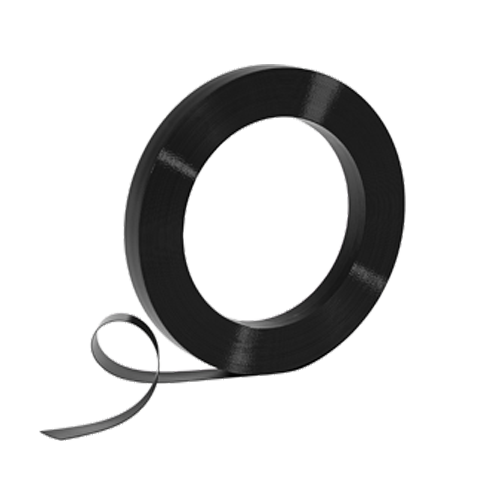
TITAPE® THIN / FLEX coated webbings provide flexibility, waterproofness and an optimized thermoplastic polyurethane (TPU) layer.
This type of material guarantees excellent hydrolysis, microbiologic as well as high abrasion resistance and durability, making it suitable for use in many demanding applications such as watersport, outdoors, medicine and pharma applications.
TITAPE® THIN / FLEX webbing provide outstanding tensile strength, flexibility, and resistance to harsh conditions such as moisture, UV exposure, and temperature fluctuations.
PERFECT FIT FOR:
* not compatible with PVC welding
ADVANTAGES


GEOMETRY
Width
TO ORDER- 10,0 mm
- 15,0 mm
- 20,0 mm
- 25,0 mm
- 38,0 mm
- 50,0 mm
Width TOLERANCE
- 9,8 ± 0,5mm
- 15,5 ± 0,5mm
- 19,8 ± 0,5mm
- 24,5 ± 0,5mm
- 37,5 ± 0,5mm
- 48,5 ± 0,1mm
Thickness
TITAPE THIN- 0,8 ± 0,1mm
- 0,8 ± 0,1mm
- 0,8 ± 0,1mm
- 0,8 ± 0,1mm
- 0,8 ± 0,1mm
- n.a.
Thickness
TITAPE FLEX- 1,6 ± 0,1mm
- 1,6 ± 0,1mm
- 1,6 ± 0,1mm
- 1,6 ± 0,1mm
- 1,6 ± 0,1mm
- 1,6 ± 0,1mm
Length
PER ROLL- 50m
- 50m
- 50m
- 50m
- 50m
- 50m
SPECIFICATIONS
- Textile Material
- Coating Material
- Glass transition temperature
- Coating Hardness
- UV- Stabilization
- Coating Surface
- Bonding Strength (HF welding)
- Weather resistance (black color)
- Dynamic coefficient of friction (TPU ./.TPU)
- max. defect number per 50 lfm
- Tear Strength
- REACH
- PFAS
- Polyester
- TPU
- -44 °C
- 80 Shore A
- incl.
- glossy
- 25 N/cm
- Δ E ≤ 1,0
- 2,4
- 2,0
- n.a.
- compliant
- compliant
COLORS
BLACK
Leadtime 1 week

CUSTOMIZED COLOR DEVELOPMENT
Requirements:
- Reference Swatch
- Pantone Number
Leadtime:
- To be specified on a case-by-case basis
STANDARD COLORS
Leadtime 5 weeks