TITAPE® THIN + FLEX

0,8mm – 1,6mm

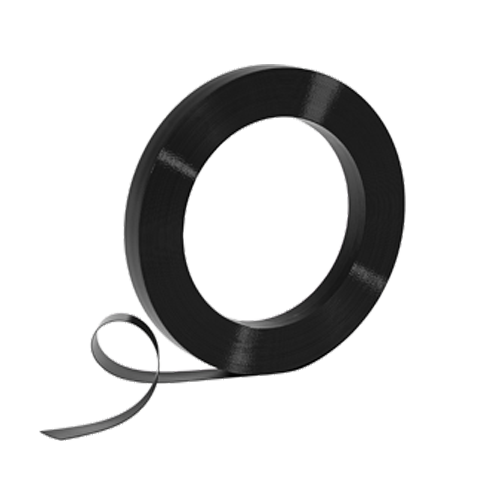
TITAPE® THIN / FLEX coated webbings provide flexibility, warrproofness and an optimized thermoplastic polyurethane (TPU) layer.

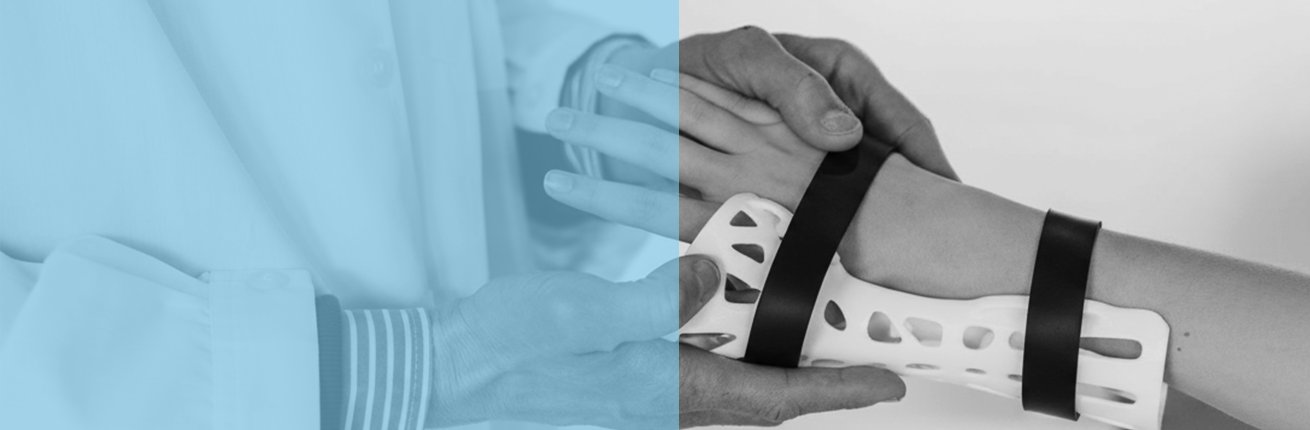
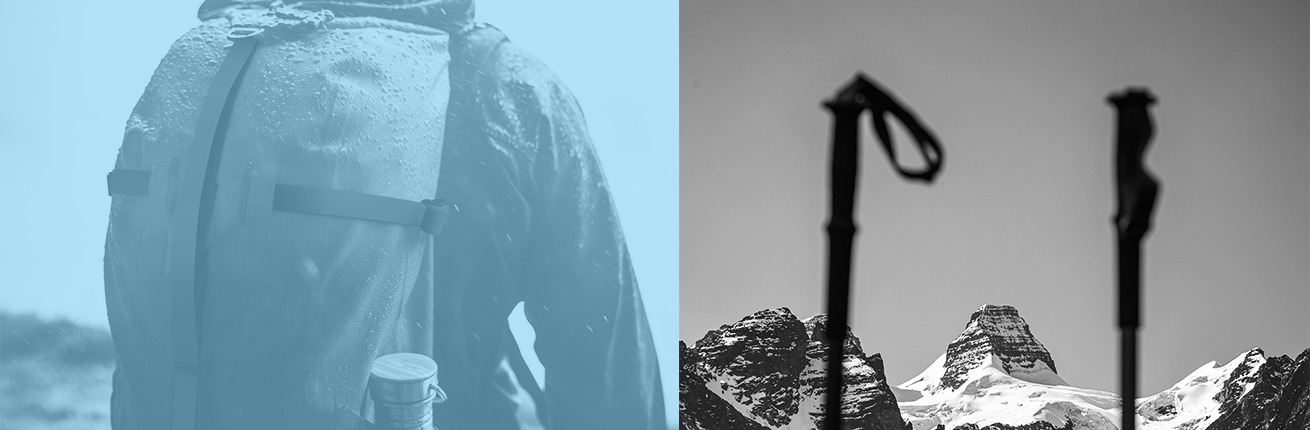
This type of material guarantees excellent hydrolysis, microbiologic as well as high abrasion resistance and durability, making it suitable for use in many demanding applications such as watersport, outdoors, medicine and pharma applications.

TITAPE® THIN / FLEX webbing provide outstanding tensile strength, flexibility, and resistance to harsh conditions such as moisture, UV exposure, and temperature fluctuations.

PERFECT FIT FOR:

Waterproofness
HYDROLYSIS PROTECTION
Cleanability
High Frequency Welding with TPU*

* not compatible with PVC welding

ADVANTAGES

GEOMETRY
  • Width
    TO ORDER
  • 10,0 mm
  • 15,0 mm
  • 20,0 mm
  • 25,0 mm
  • 38,0 mm
  • Width TOLERANCE
  • 9,8 ± 0,5mm
  • 15,5 ± 0,5mm
  • 9,8 ± 0,5mm
  • 24,5 ± 0,5mm
  • 37,5 ± 0,5mm
  • Thickness
    TITAPE THIN
  • 0,8 ± 0,1mm
  • 0,8 ± 0,1mm
  • 0,8 ± 0,1mm
  • 0,8 ± 0,1mm
  • 0,8 ± 0,1mm
  • Thickness
    TITAPE FLEX
  • 1,6 ± 0,1mm
  • 1,6 ± 0,1mm
  • 1,6 ± 0,1mm
  • 1,6 ± 0,1mm
  • 1,6 ± 0,1mm
  • Length
    PER ROLL
  • 50m
  • 50m
  • 50m
  • 50m
  • 50m

SPECIFICATIONS

  • Textile Material
  • Coating Material
  • Glass transition temperature
  • Coating Hardness
  • UV- Stabilization
  • Coating Surface
  • Bonding Strength (HF welding)
  • Weather resistance (black color)
  • Dynamic coefficient of friction (TPU ./.TPU)
  • max. defect number per 50 lfm
  • Tear Strength
  • REACH
  • PFAS
  • Polyester
  • TPU
  • -44 °C
  • 80 Shore A
  • incl.
  • glossy
  • 25 N/cm
  • Δ E ≤ 1,0
  • 2,4
  • 2,0
  • n.a.
  • compliant
  • compliant

COLORS

BLACK

Leadtime 2 weeks

SEASONAL PANTONE COLORS

Leadtime 4 weeks

CUSTOMIZED COLOR DEVELOPMENT

Requirements:

  • Reference Swatch
  • Pantone Number

Leadtime: 6 weeks

INCORPORATION

There are several effective methods for installing TITAPE® webbings made from TPU (thermoplastic polyurethane) coated polyester. Common techniques include high-frequency (HF) welding, ultrasonic welding, heat sealing, as well as gluing, sewing, and taping.

High-Frequency (HF) and Ultrasonic Welding

HF and ultrasonic welding are generally the most reliable methods for creating strong, durable, and watertight bonds, even in demanding environmental conditions.

  • HF welding uses electromagnetic energy to generate heat through molecular friction within the material.
  • Ultrasonic welding, by contrast, transfers high-frequency vibrations into the material, creating mechanical friction and heat.

Both methods are suitable for thermoplastic materials. In general, HF welding is preferred for thicker materials and larger bonding areas, while ultrasonic welding is better suited for smaller and more precise joints.

Please note that the optimal welding process — including factors such as power, pressure, temperature, and cooling time — as well as the most suitable coated fabric, must always be evaluated individually for each application.

Heat Sealing (Hot Air Welding)

Heat sealing joins laminates by applying heat and pressure until the material fuses together. This method provides a simple and effective way to melt and bond the layers.

Gluing

Some customers use the adhesive Remda Tip Top SC4000 for bonding applications. However, the suitability of the adhesive should always be tested for each specific use case.

Sewing

When sewing is used, it is essential that all stitching holes are completely covered with an additional sealing tape. The sealing tape must be applied smoothly and without gaps to prevent leakage.

If the stitching holes are not properly sealed, liquids can penetrate the laminate, which may lead to leakage over time.